Portugal's Next Strategic Growth Corridor
The Winning Tandem Grândola + Sines
Exclusive Agent
Pascal Chesnot | Real Estate
(+351) 964 841 529
http://pascalchesnot.com
IG: pascallisboa
Get In touch
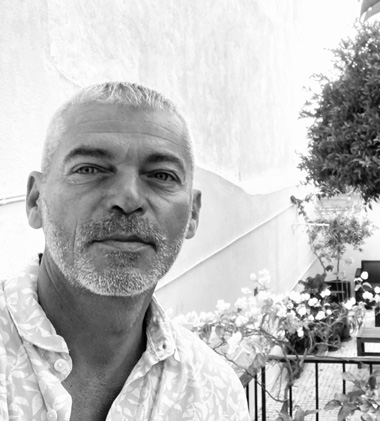
"After more than a decade in music marketing in Paris and New York, I moved to Lisbon in 2005 to pursue a new dream and a new life. Five years later, I opened “Le Petit Bistro”, a French restaurant in Bica, which I sold in 2015. Since then, I have focused on curating rare properties and distinctive real estate projects across Lisbon, Alentejo, and Central Portugal."
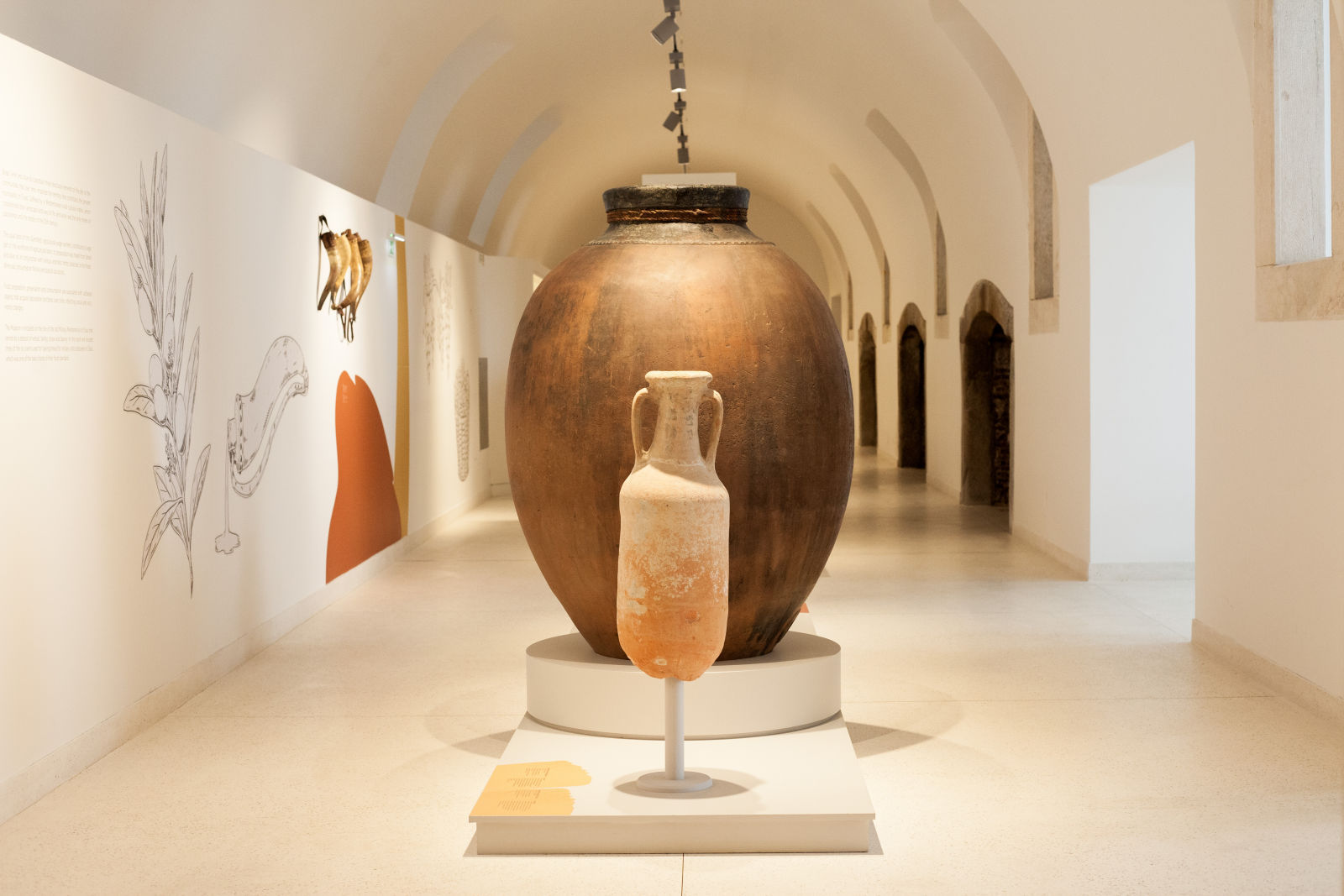
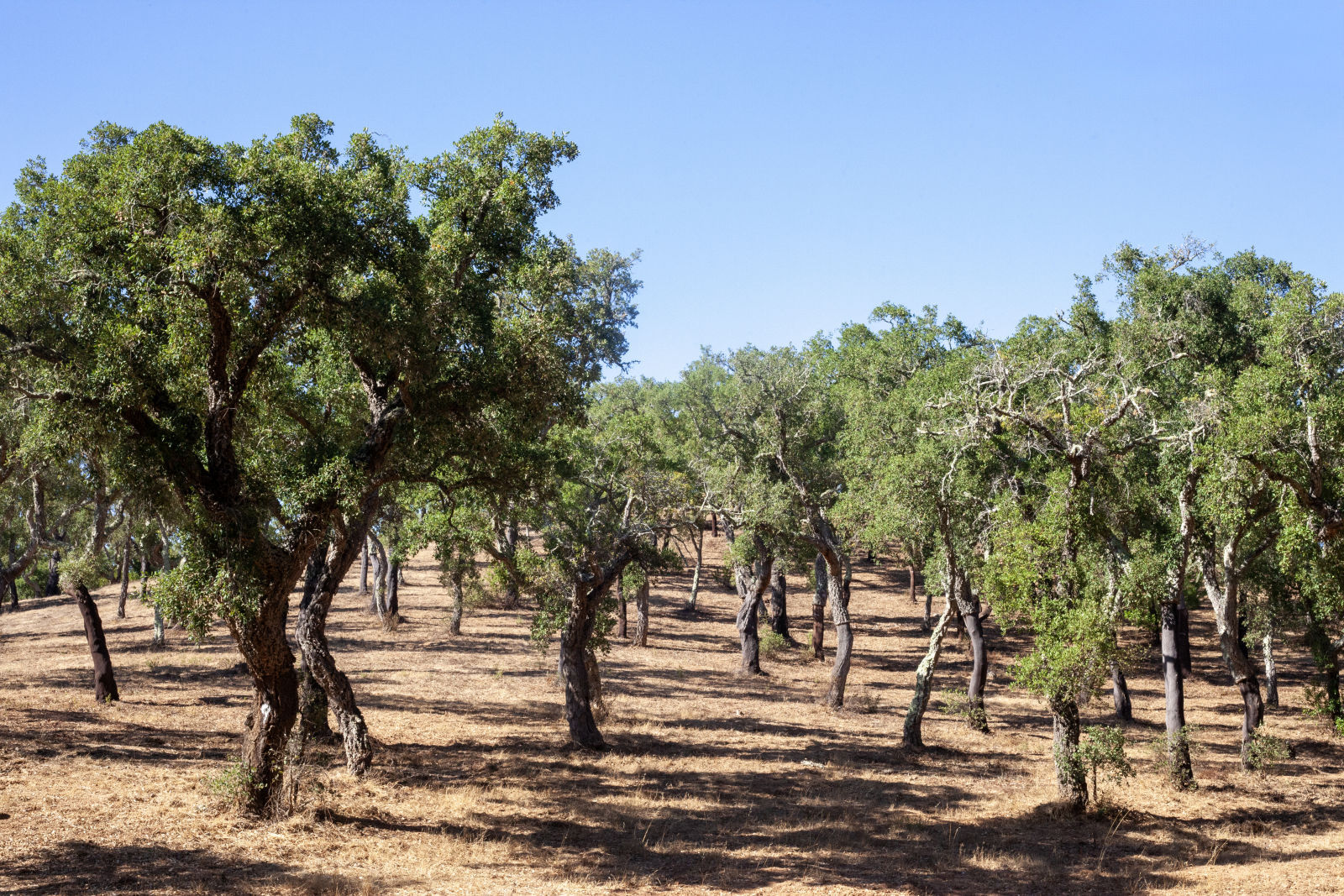
Talhas symbolize the wine and food inheritance of the region where vineyards and olive groves build some of the most memorable tastes without ceremony. While the regional pork, a specialty in many recipes, comes from black Iberian pigs carefully raised on acorns in the cork forests nearby.
Defined as "Portugal's most quietly serious food destinations", Grândola's ancestral cuisine has sustained truck drivers and food critics alike "with equal satisfaction since 1980".
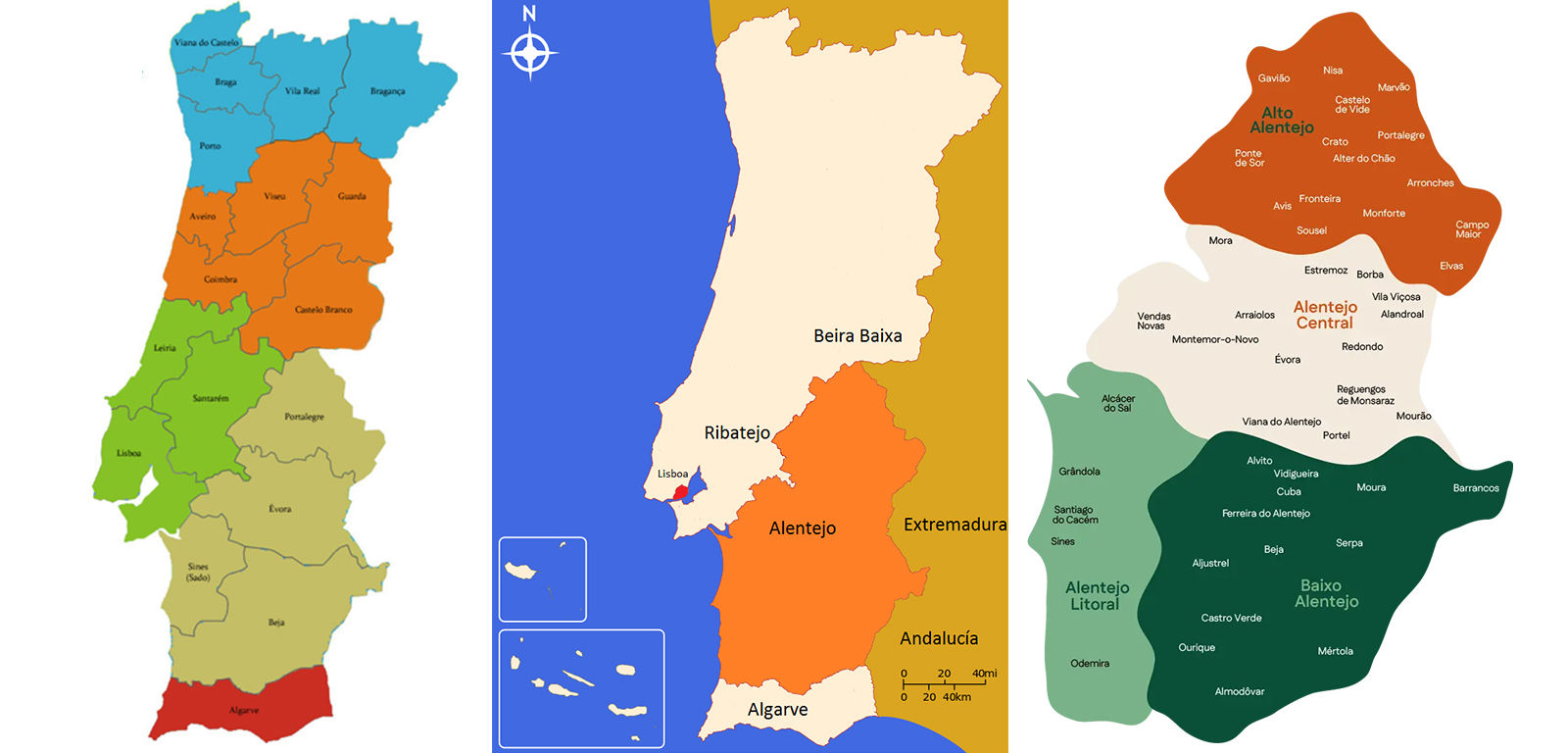
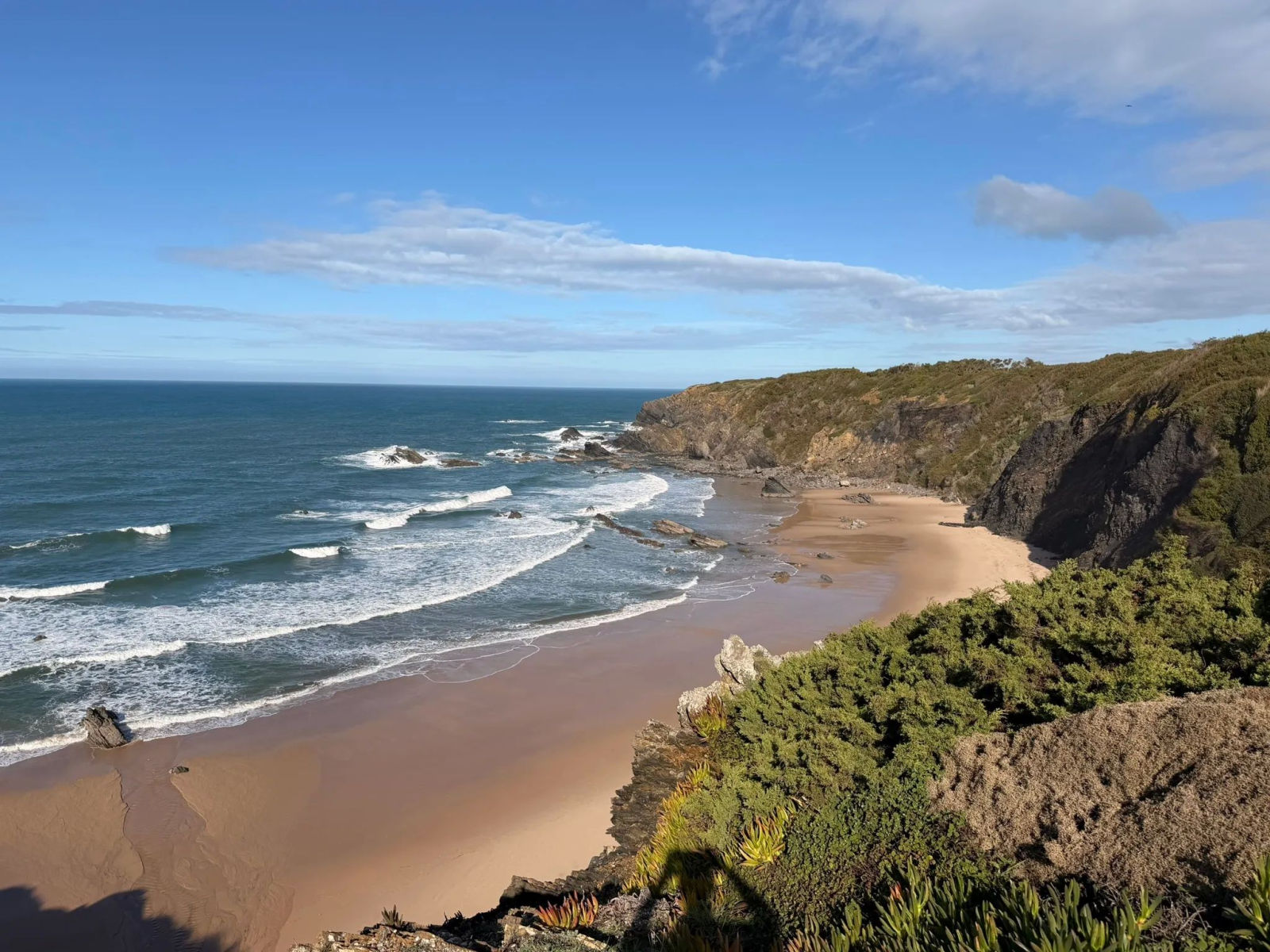
Coastal Alentejo (or Alentejo Litoral) is defined by its low-density landscapes, extensive beaches, preserved natural reserves, protected ecosystems, and limited development capacity designed for an enduring regional growth along its local production.
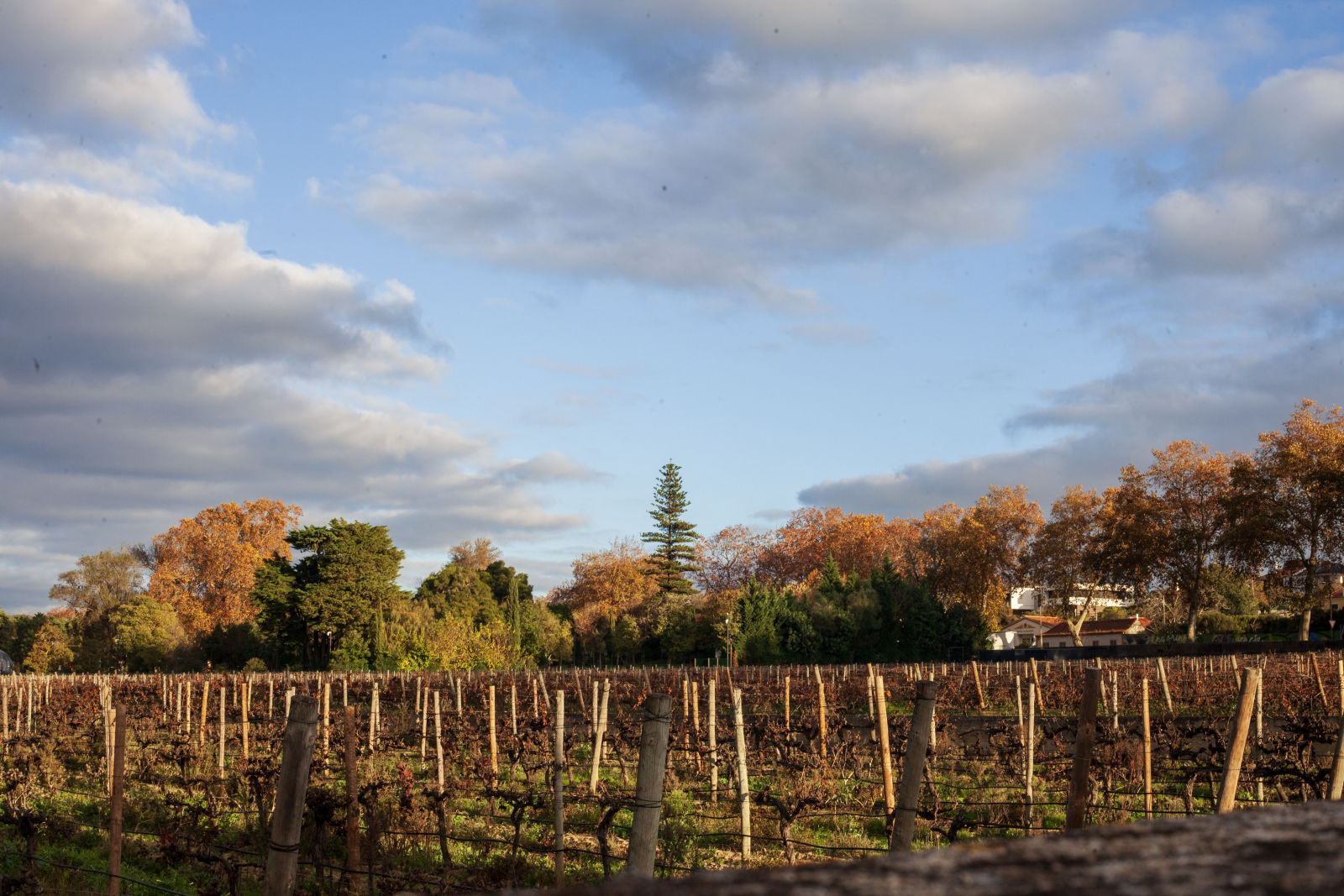
Vineyards, olive groves, rice fields, cork trees, and sandy pine forests softly transform into the bare and perfectly untouched dunes leading to the Atlantic Ocean.
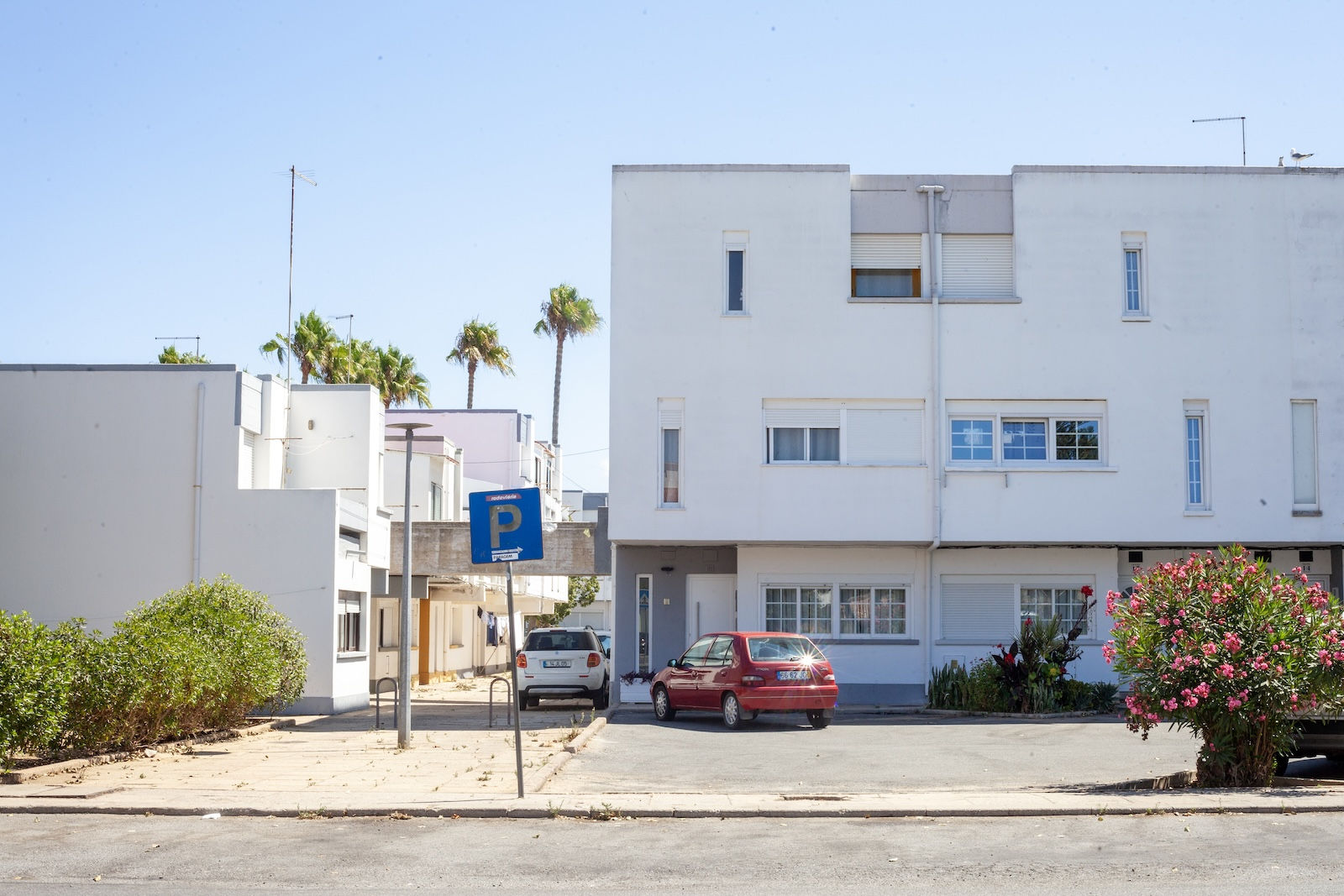
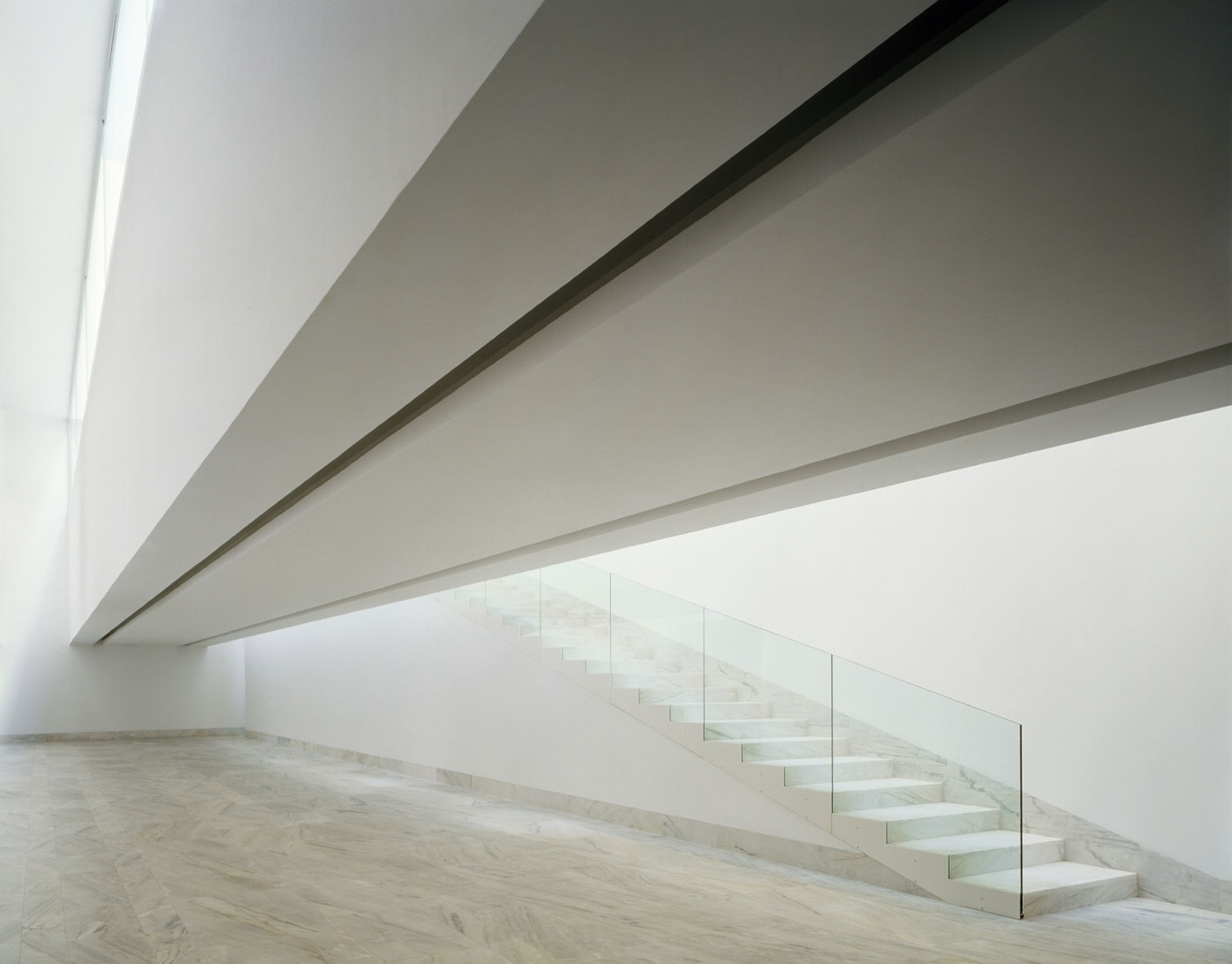
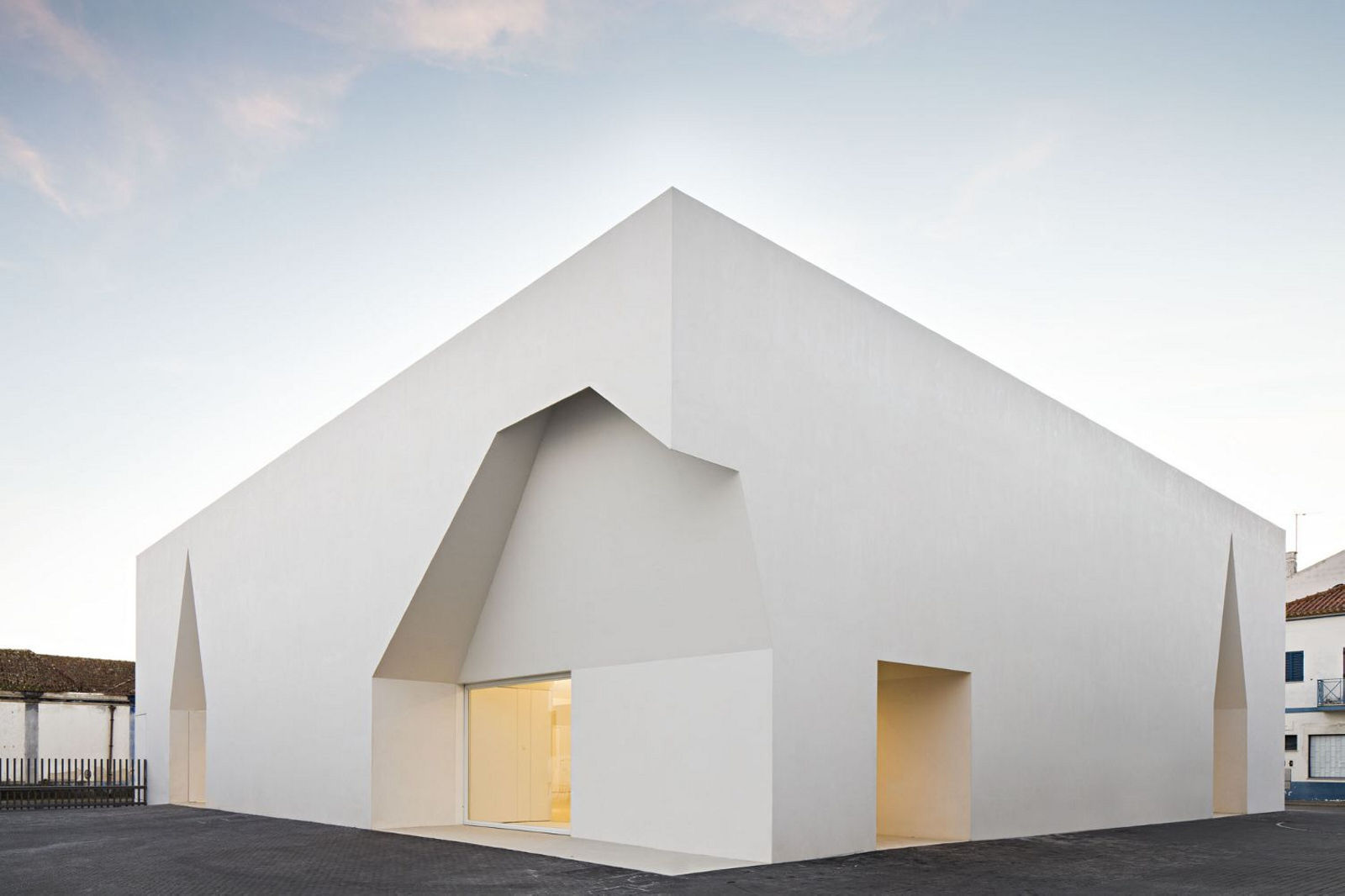
In towns and Alentejan houses, talhas are large jars in porous clay used since the Roman era for the fermentation and aging of wine, predating oak barrels. Today they throne often as empty flagship vessels with cactuses of the Alentejan contemporary style, both leaning against pristine white walls and minimal buildings cast in natural landscapes.
Talhas symbolize the wine and food inheritance of the region where vineyards and olive groves build some of the most memorable tastes without ceremony. While the regional pork, a specialty in many recipes, comes from black Iberian pigs carefully raised on acorns in the cork forests nearby.
Five Municipalities with Different Futures
Alentejo Litoral aligns renewable energy, digital transition, and eco-tourism around its five municipalities: Alcácer do Sal, Grândola, Santiago do Cacém, Sines, and Odemira—each serving a distinct role:
Alcácer do Sal → heritage + entry price opportunity
Grândola → central + connected + balanced growth
Santiago do Cacém → quiet + local authenticity
Sines → infrastructure + energy + AI economy
Odemira → eco-tourism + scarcity
The region's rare combination of natural assets, blueprints in property development that preserve an architectural local identity with mostly locally sourced material, including a change in luxury property consumption that favors green-energy powered housing*, has brought the region into real estate momentum with the promise of high yield and increasingly high international demand.
Green-energy-powered housing focuses on solar integration, home energy storage, and high-efficiency heat pumps. This shift in housing development helps lower carbon emissions, reduce utility costs, and achieve energy independence.
The regional mandate for an aesthetic, ethical, and sustainable ecosystem has already attracted artists and creatives, architects and landscape-collection investors seeking authenticity.
In parallel, the deployment of a scientific and tech hub speaking to high-profile remote workers attracted by knowledge-based global networks and an outdoor healthy lifestyle, is one of the most spectacular shifts in demography in a rural landscape.
Thus, Grândola and Sines together form a territory with a Mediterranean climate, where lifestyle and infrastructure will develop side by side, without fully overlapping as each of them offers different assets and lifestyle choices.
Regional Dynamic: Sines >< Grândola
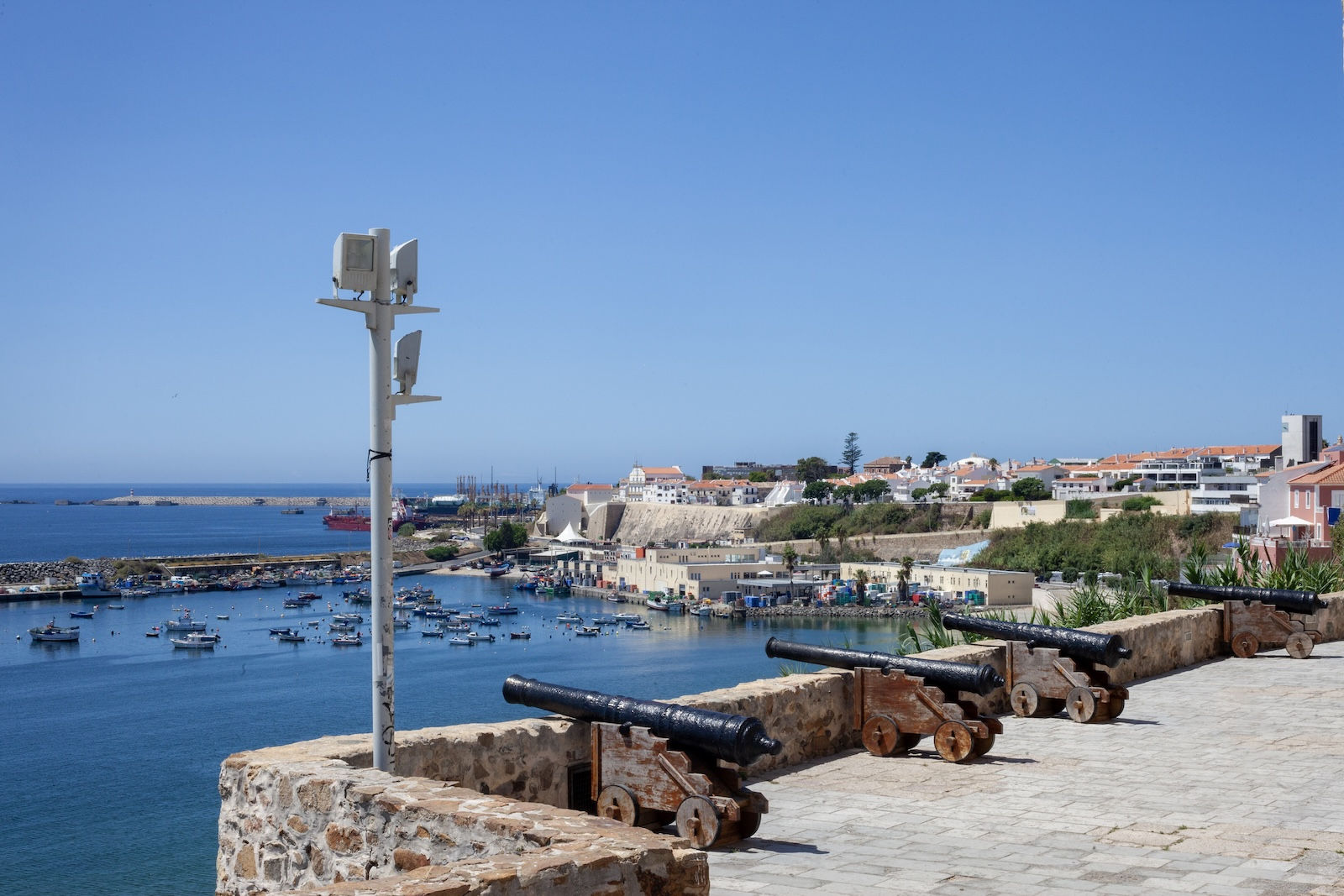
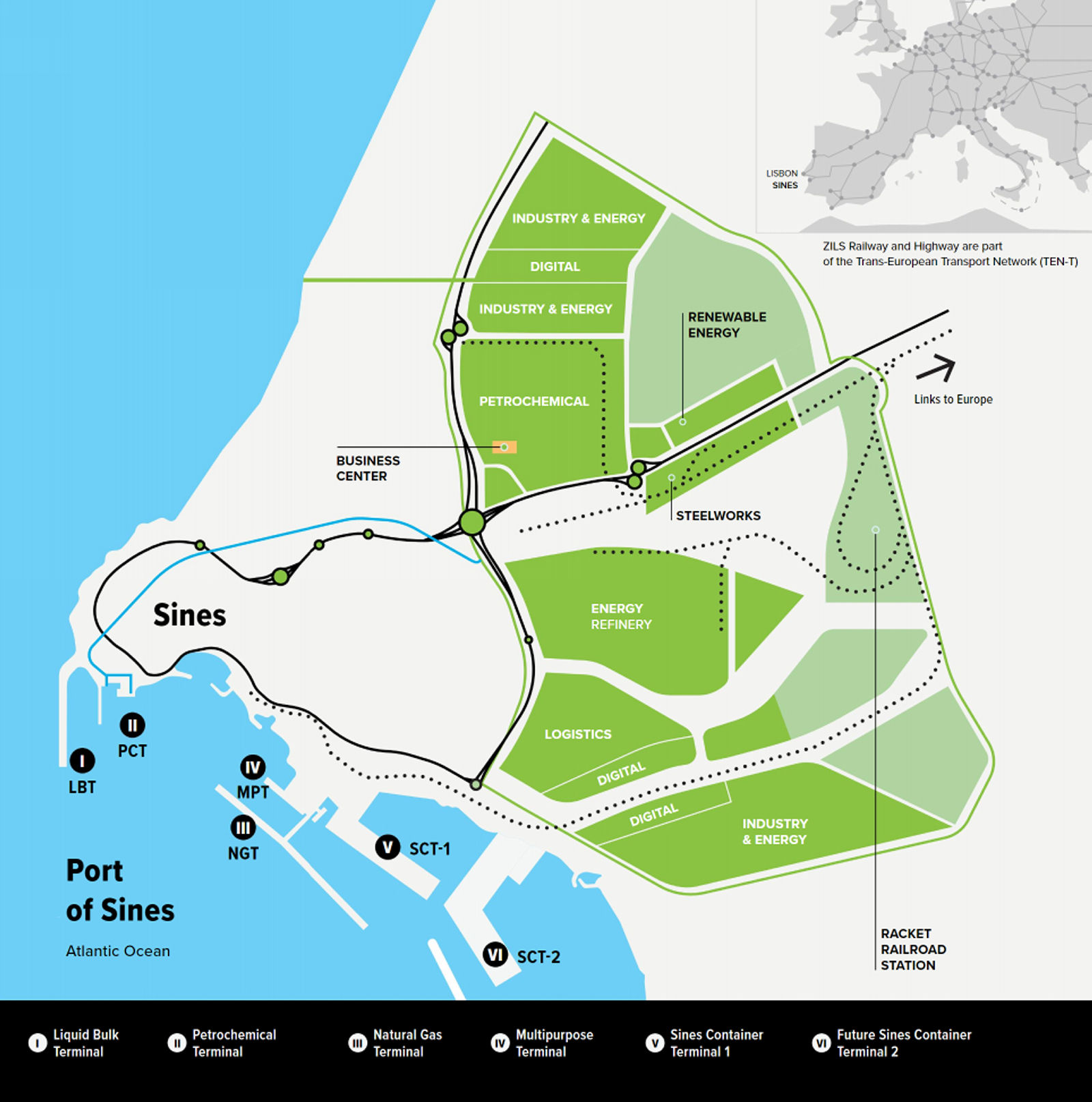
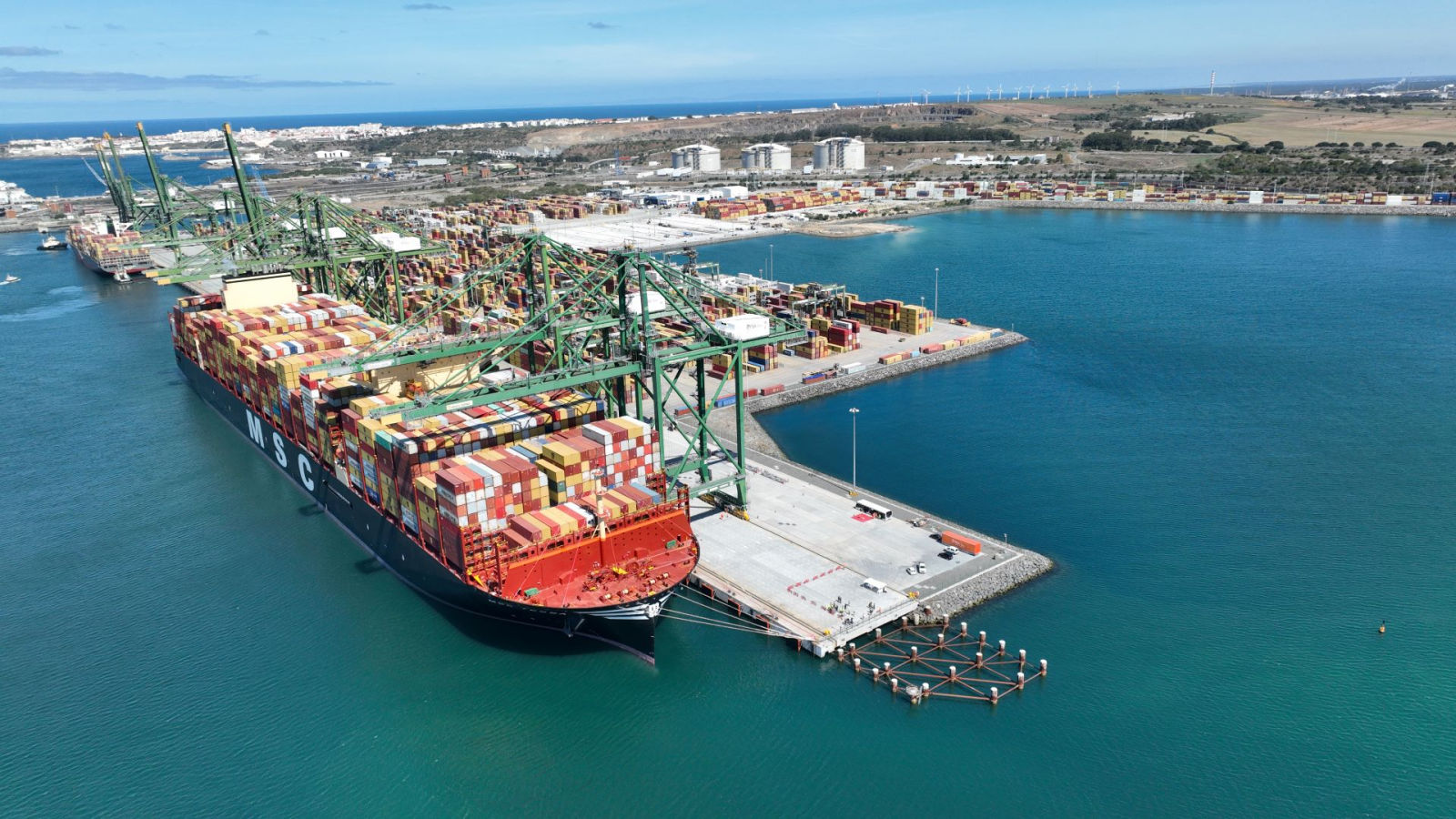
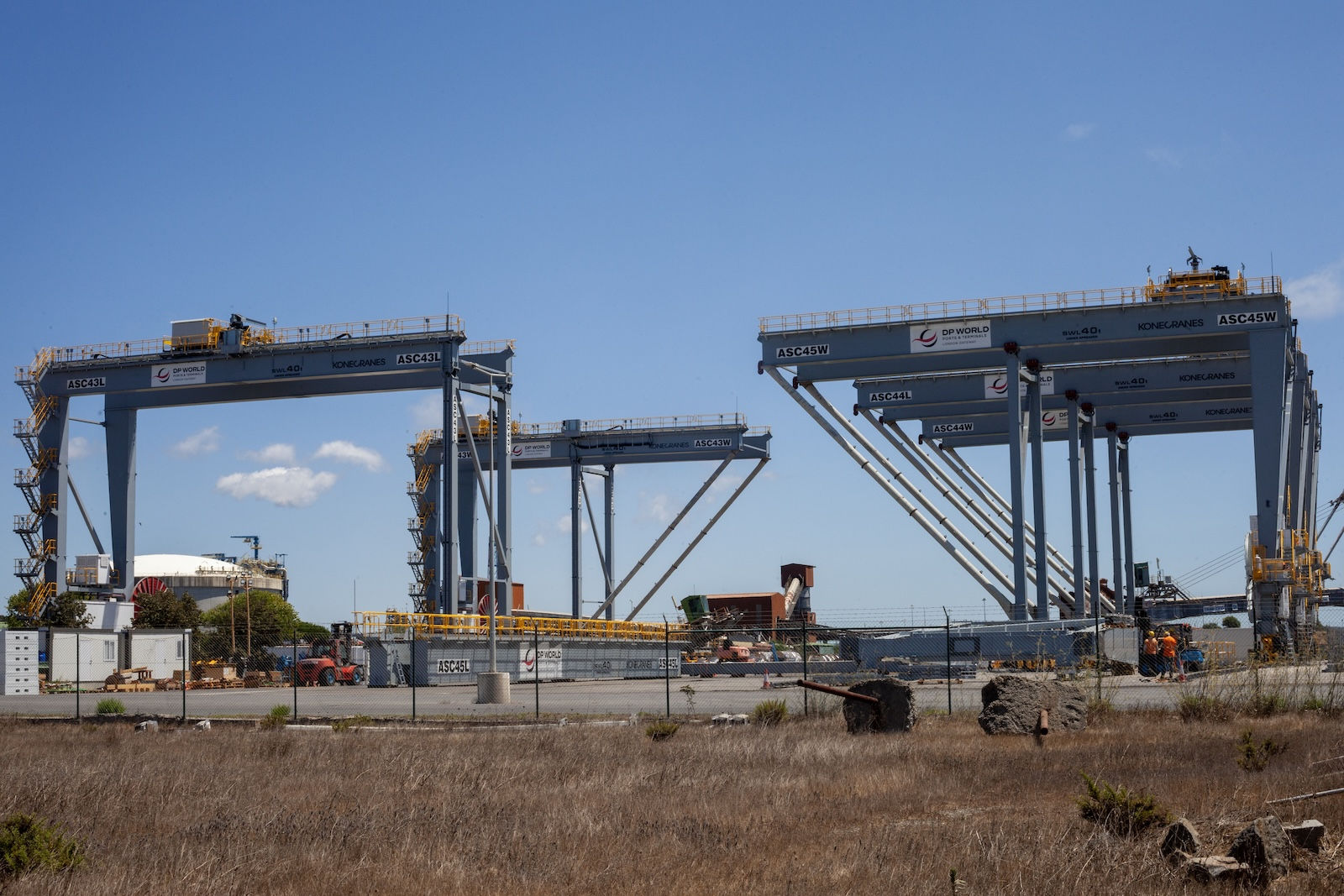
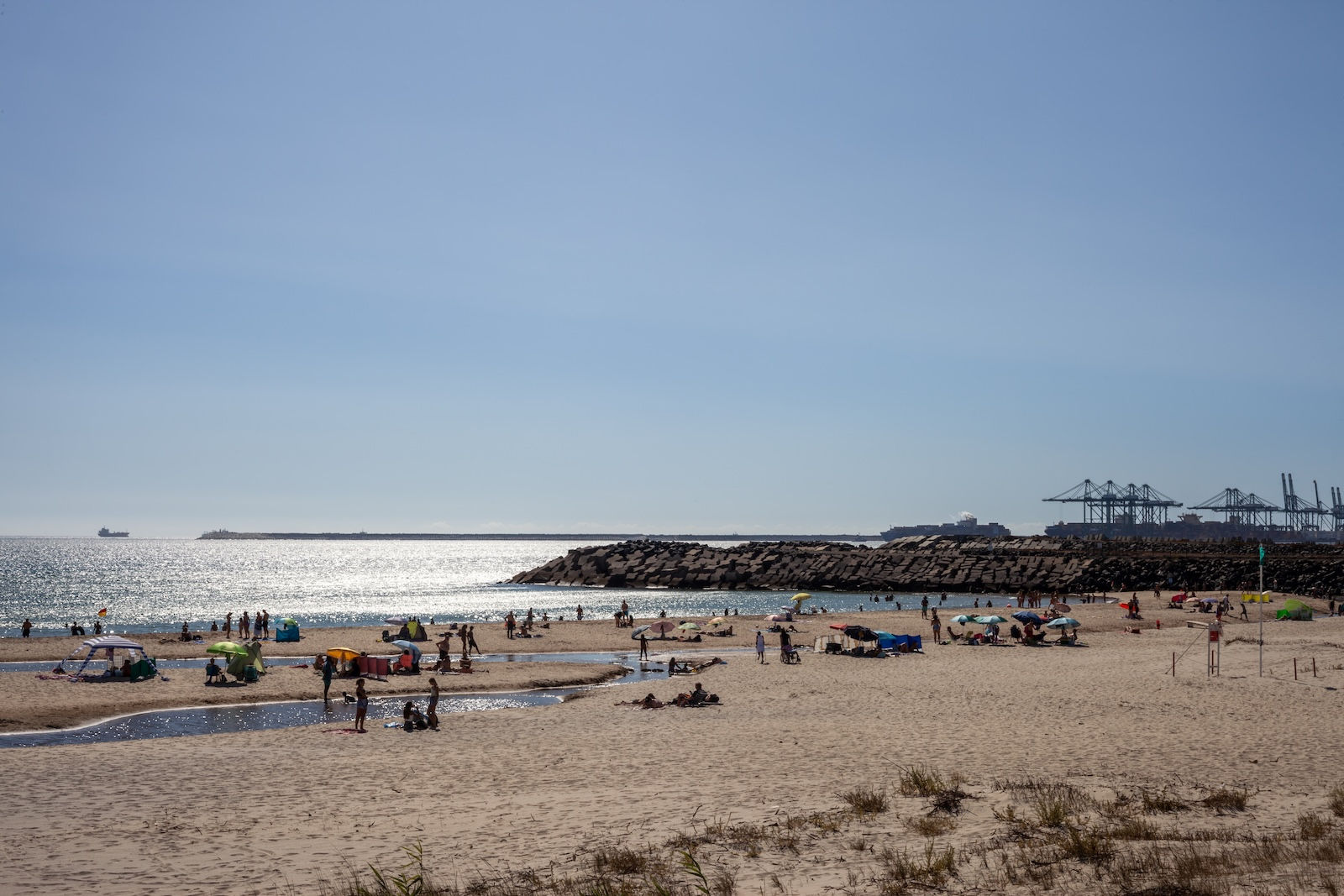
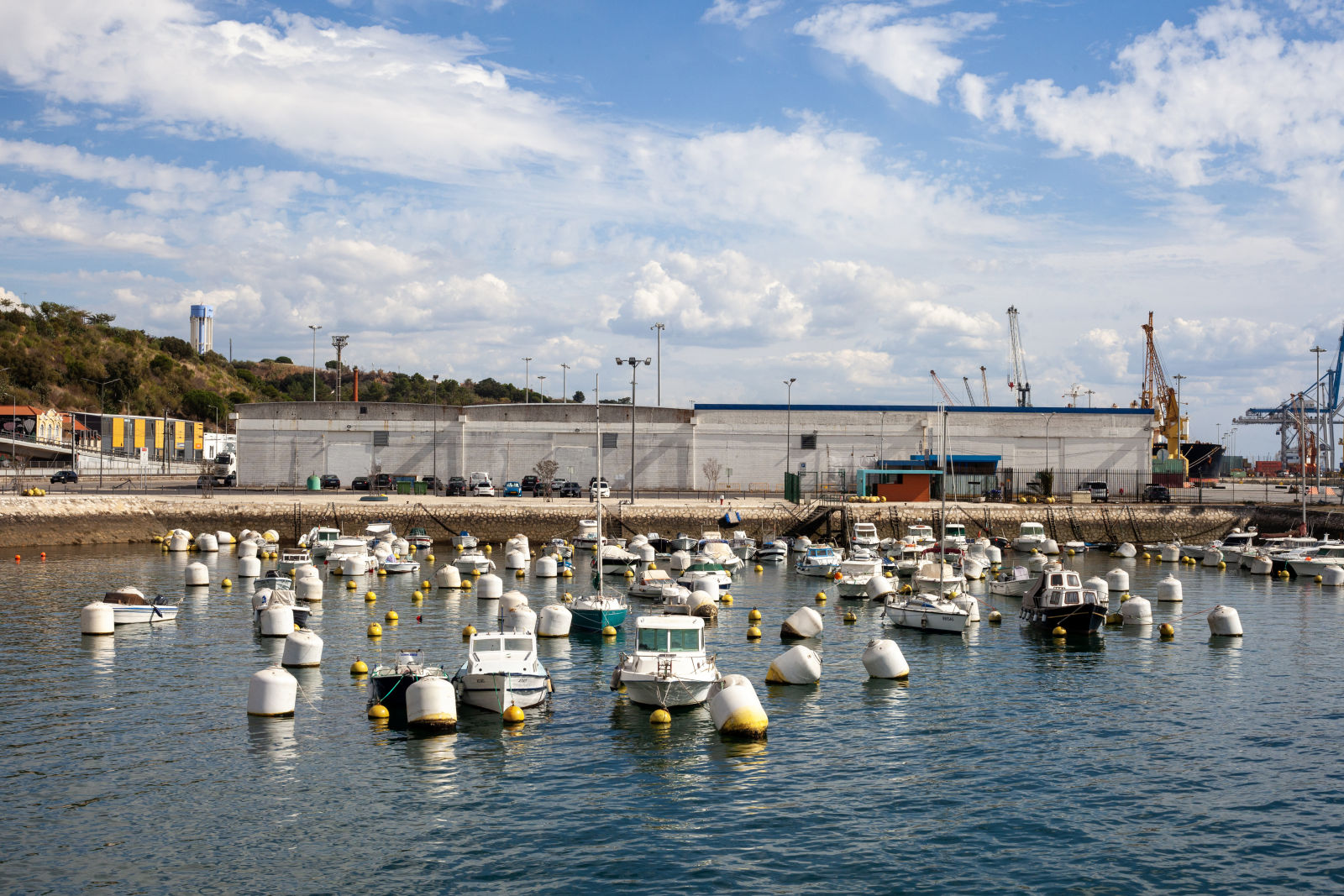
Sines—at 150 kilometers south of Lisbon, is home to one of Portugal's largest maritime-industrial complexes anchored by its oil refinery and petrochemical industries, including the Sines Power Plant (Electricidade de Portugal), Petrogal's National Petrochemical Refinery, and Repsol's Polymer Refinery, alongside an important investment park managed by AICEP Global Parques and a science park, the Sines Tecnopolo.
Sines, linchpin of China's Belt and Road Initiative
This is exactly why Sines matters to China's Belt and Road Initiative. A Schiller Institute study names the port as one of two "critical points" for the project's success, alongside Spain's Algeciras. The reason: its geostrategic position bridging Africa and the Americas. The study also frames the Iberian Peninsula as the natural meeting point between two routes — the land-based Silk Road Economic Belt crossing Eurasia from the Pacific to the Atlantic, and the maritime Silk Road reaching toward the Americas, the Caribbean, and Africa.
Sines's strategic weight has drawn direct Chinese interest
Several Chinese groups have sought the concession for a proposed new container terminal in Sines, reportedly to be named Vasco da Gama, and Xi Jinping personally raised interest in Portuguese port infrastructure and maritime-economy partnerships during an official state visit, a courtship Portugal has embraced more openly than Spain, whose policymakers have shown more reluctance toward Chinese investment.
The tandem, global infrastructure and lifestyle, has already been driving future housing demand across the region into timely investment and development.
And there is more…
Grândola Logistics Park Euro-Atlantic: Codename GLPEA
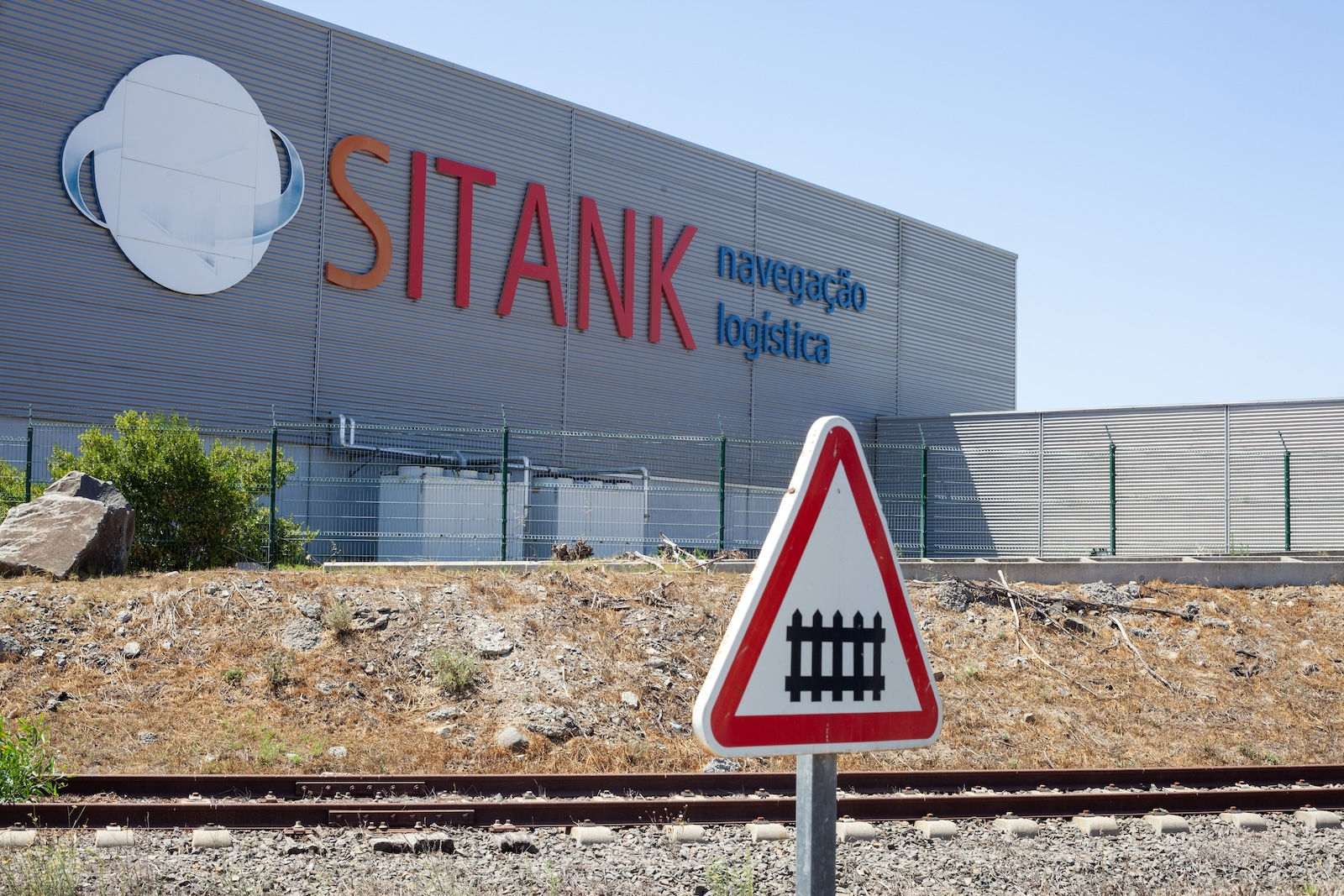
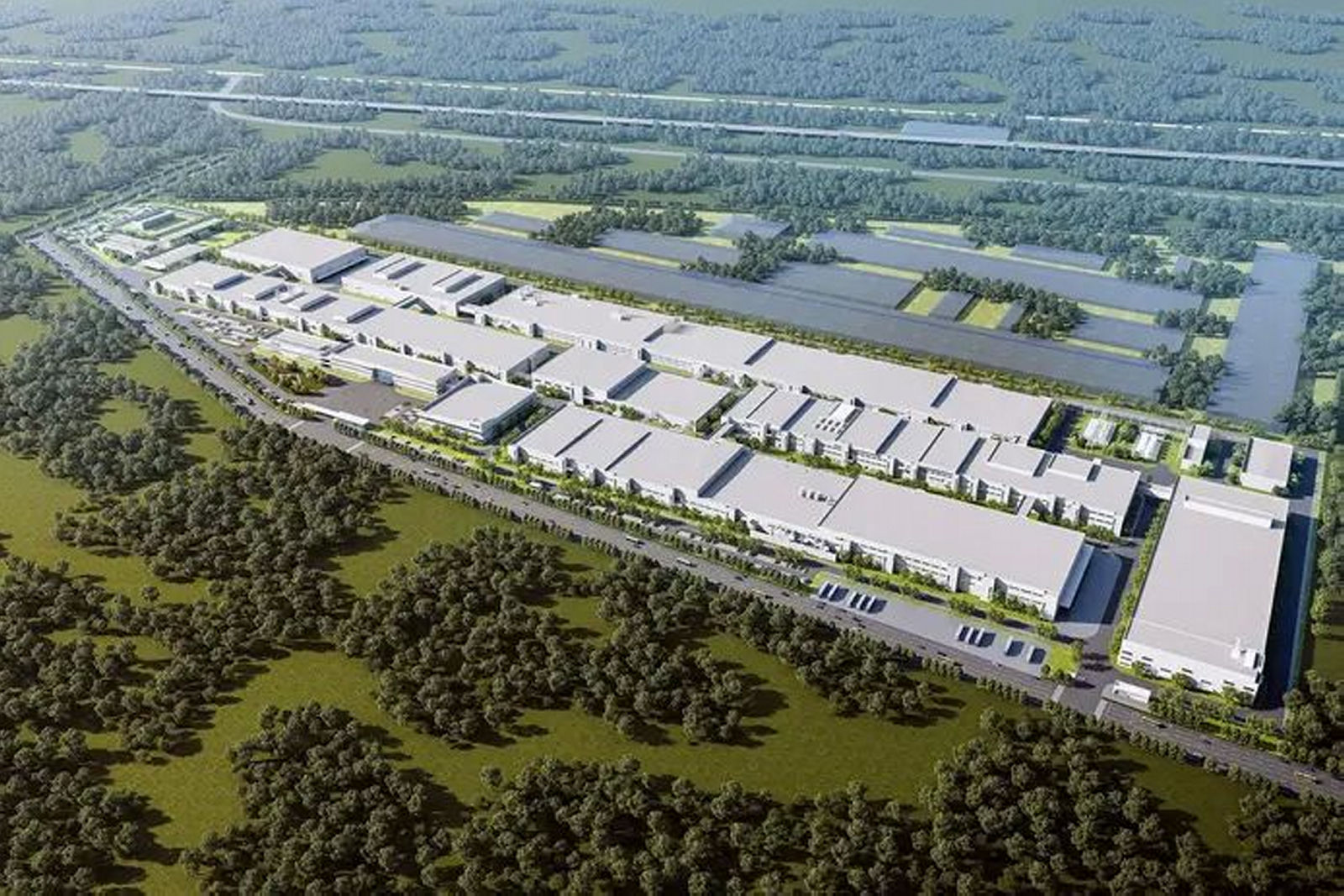
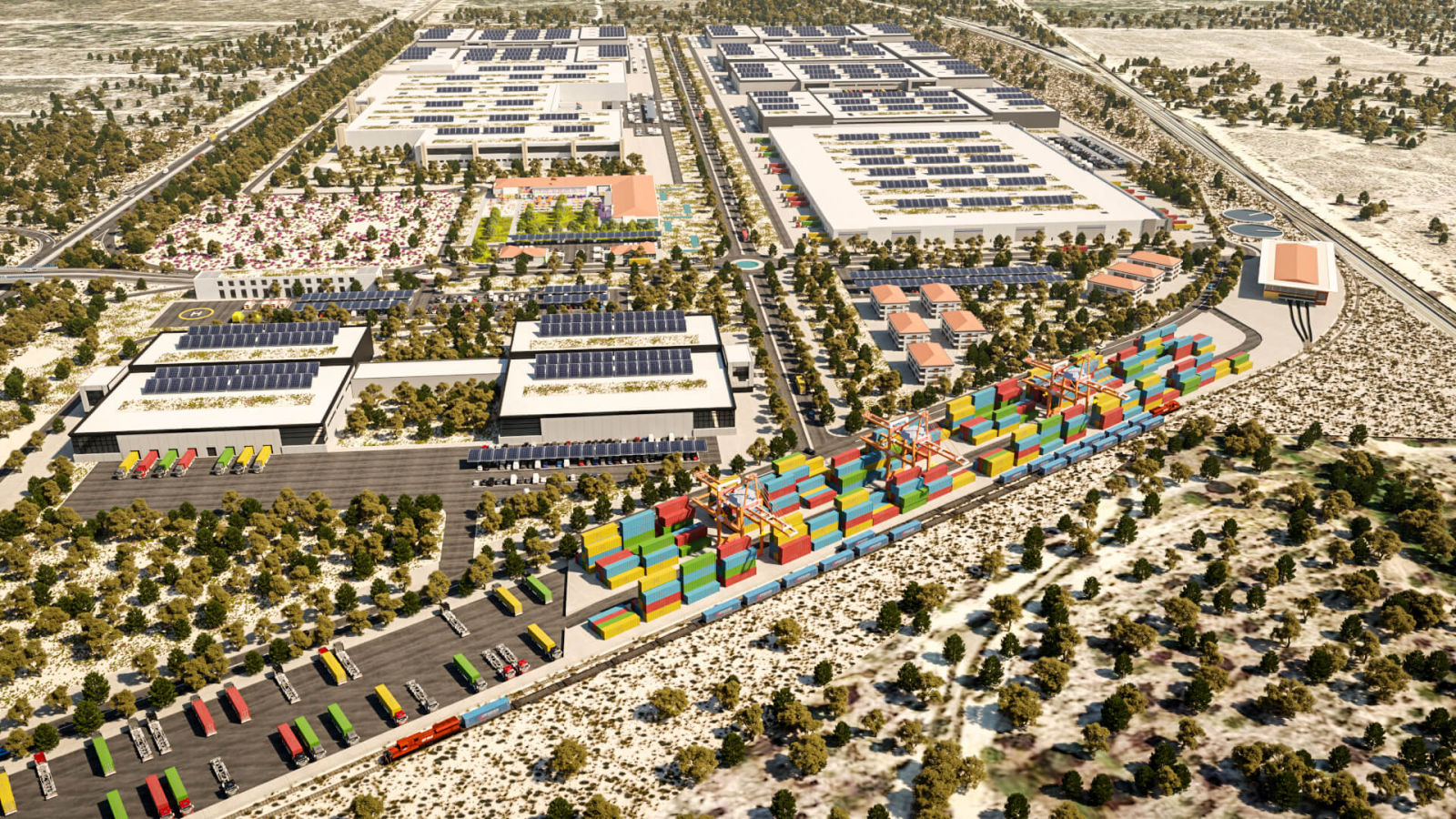
According to an article published in July 2026, the Swiss firm Qantara Capital, specializing in real estate and natural resources investment and advisory, is investing €468 million to build a logistics park in Grândola. Named Grândola Logistics Park Euro-Atlantic (GLPEA), the project will span 1.3 million m² of land (635,000 m² built), with direct access to the Port of Sines and a freight rail terminal.
Warehouses and buildings will be custom-designed and constructed to each company's specific needs (defined as a "built-to-suit" model). The park will host logistics, industrial, and service companies, positioning itself as a strategic European market gateway for international investors.
The project also includes a mixed-use zone with local shops, cafés, restaurants, daycare centers, and coworking spaces, land set aside for sport and leisure facilities, and the preservation of 410,000 m² of green space, notably cork oaks and pine trees.
Source: Le Petit Journal, July 2026.
Access & Infrastructure
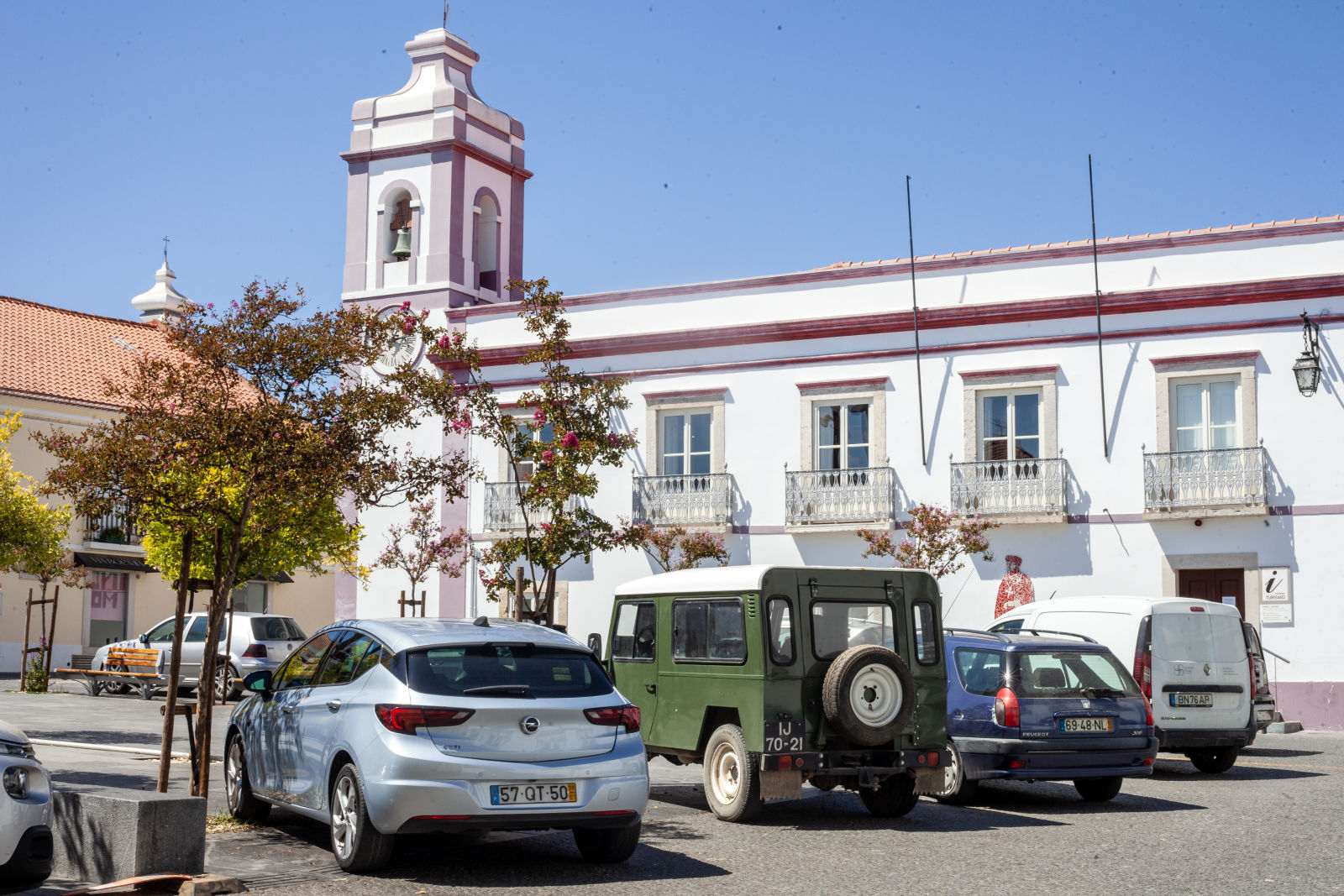
For now, there is no passenger train service to Sines. Instead, Grândola is directly connected to Lisbon by rail on the Linha do Sul (Lisbon–Faro). Take the train from the futuristic Lisboa Oriente, the intermodal transport hub situated in Parque das Nações at three stations from Lisbon airport, and circa 90 minutes later you'll breathe the stillness and slow pace distinctive of the Alentejan etiquette. The train runs three times daily with the option of prebooked bike access onboard.
Connectivity: Grândola
Central to all intersections, Grândola connects not only to the Alentejo coast and Sines or the capital city, but it also efficiently takes you to Lisbon South Bank via road and ferry—offering multiple access strategies depending on traffic and destination and is halfway to the Algarve.
North Lisbon, South Faro
Dreaming of a road trip around the Southern coastline? Faro in the Algarve is around 1h40 by car and 1h55 by train from Grândola. Several major highways provide access to the town.
The A2 highway links Grândola to Lisbon to the north and the Algarve to the south, while the toll-free IC1 offers an alternative route. The A26/IP8 highway connects Grândola directly to Sines by the coast and to Beja airport in South Alentejo.
Distances from Grândola in Alentejo Litoral
- Melides & Melides Beach: ~15 km
- Praia do Carvalhal: ~20 km
- Comporta: ~25 km
- Sancha Nature Reserve: ~30 km
- Sines (port, energy & AI infrastructure): ~35 km
Setubal Peninsula
Accessible by car or via the Tróia–Setúbal ferry connection: Setúbal is a gateway to the Arrábida Natural Park and the urban surf-lovers' Praia da Costa da Caparica. It also gives access to the future airport in Alcochete.
Alentejo local bus trips
Want to explore all regional artisanal markets and local festivals? Mingle with locals on the bus line Rodoviária do Alentejo that connects Grândola from four different stations in the city to several hundred stops across the region from Évora and Beja to the smallest rural hamlets. The company covers the largest region of Portugal until its eastern border with Spain (in Badajoz).
Tech & Energy: Atlantic connectivity
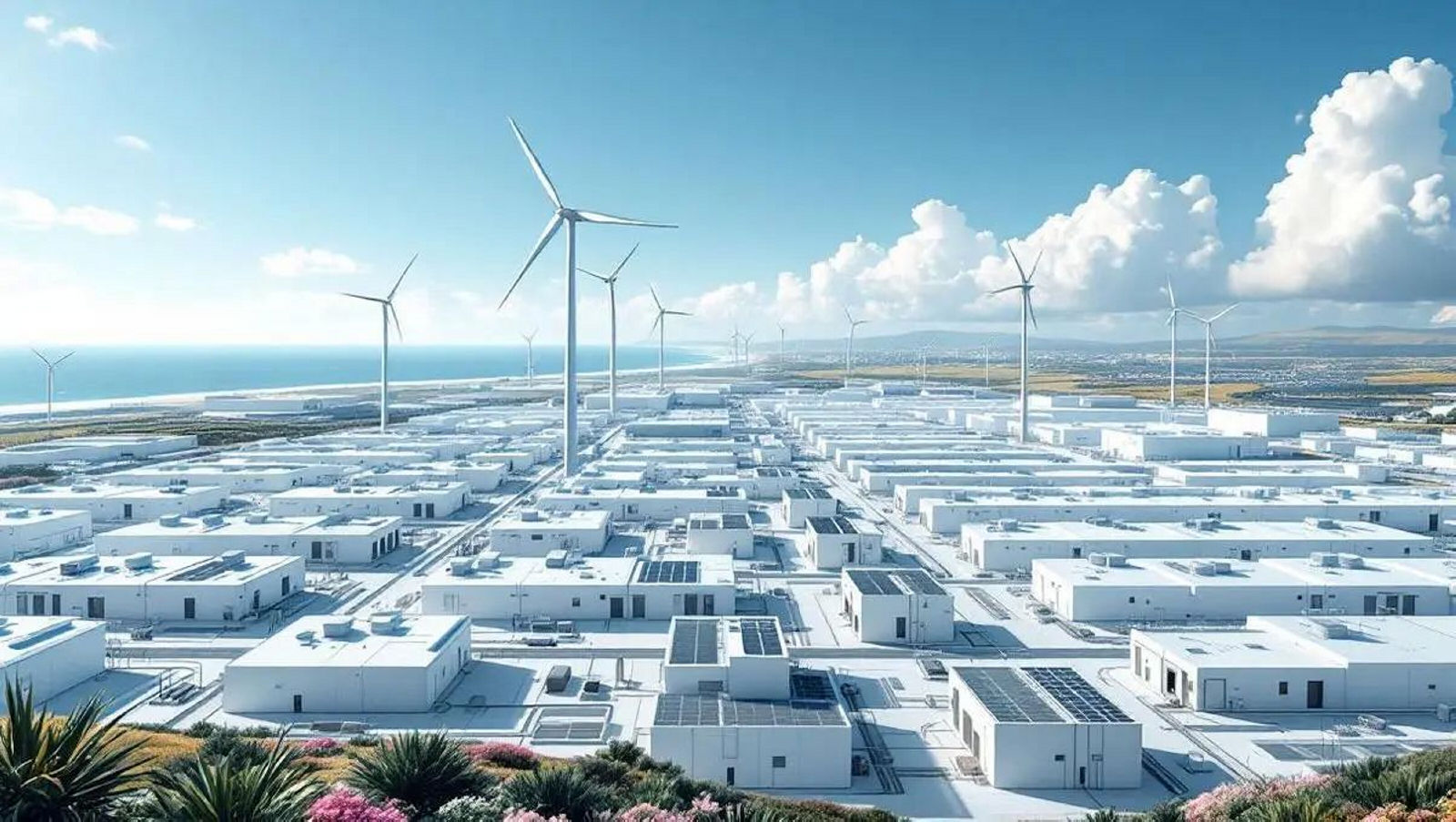
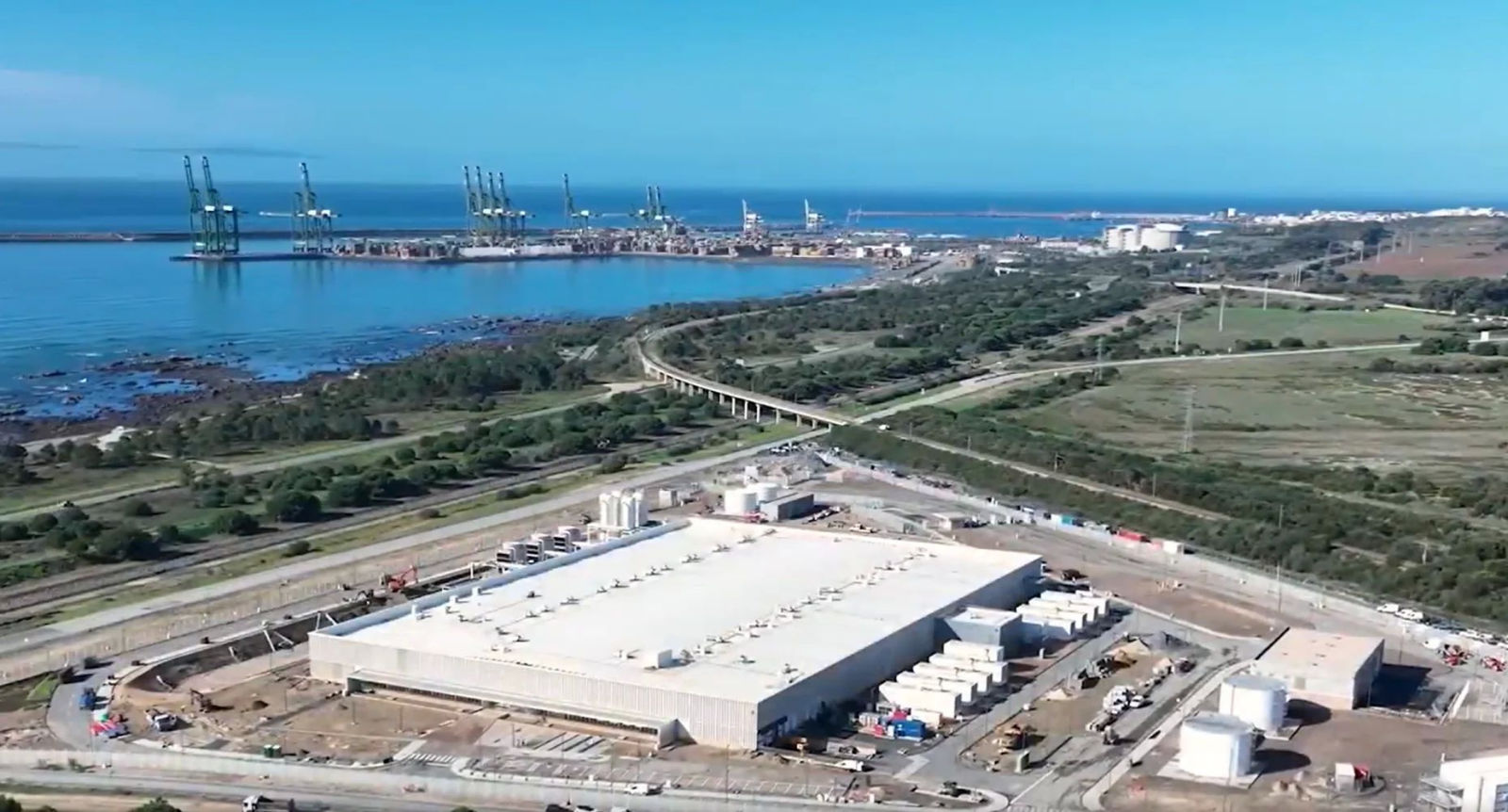
Major international investments are transforming Sines into a strategic data and connectivity node with an €8–10+ billion development pipeline. AI-scale data centers with renewable-powered infrastructure and transatlantic subsea cable connections might accelerate the Californian tech exodus towards new and more favorable destinations like Miami in Florida, or Greater Lisbon and Coastal Alentejo in Portugal.
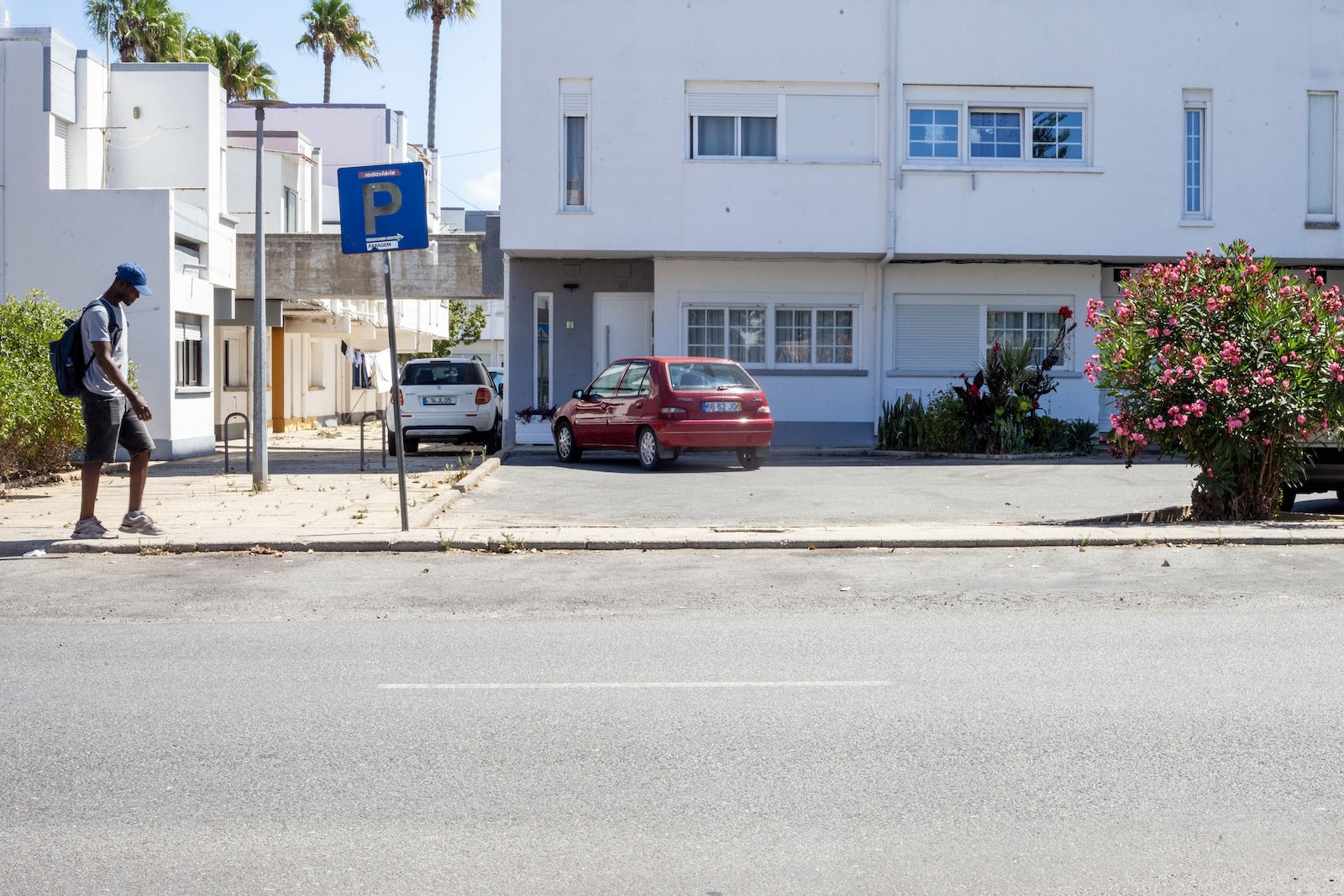
For a cohort used to efficiency and an active lifestyle in sunny regions, a well-connected townhouse in Grândola, placing everything at one's fingertips at walking distance or in an array of destinations at less than one or two hours by car or public transport, will speak to demographics used to living in an elegant architecture with indoor and outdoor equipment and seamless flow.
To live and develop a business in a changing rural land at the intersection between coast and inland, between highly desired destinations and emerging infrastructure, is a thrilling challenge and a wise investment no matter its purpose.
The convergence of Grândola and Sines with complementary services and facilities, one offering easy access, the other green infrastructures and remastered maritime futures, designs the duo-cities as one of the most strategic platforms in Southern Europe.
Coastal and inland Alentejo are clearly a geography under the microscope of scientists, developers, investors, and aesthetes. It shapes Grândola and Sines as one of the most important urban axes in the region. It has already proven itself through sustainable growth perspectives in international tech development, needs of talent, energy resources, and housing infrastructure, while remaining slightly outside the pressure of coastal development.